

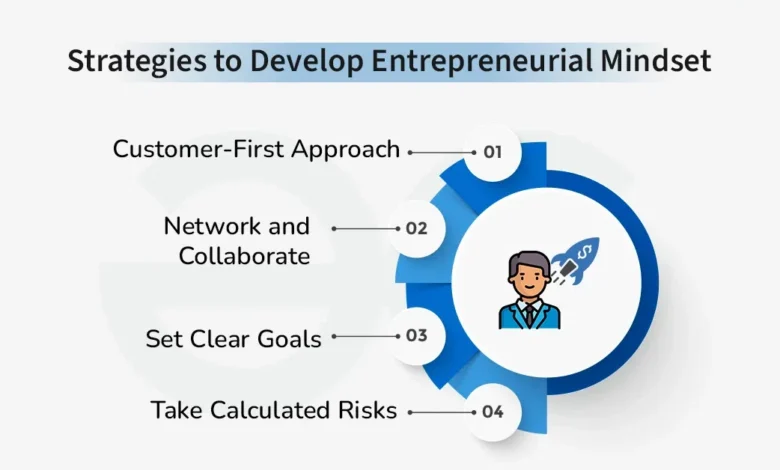
Entrepreneurship is not only about starting a business or earning profits. It is a way of thinking that influences how individuals approach problems, make decisions, and respond to uncertainty. Developing an entrepreneurial mindset is essential for anyone who wants to succeed in business, whether they are launching a startup, expanding an existing company, or exploring international opportunities.
In today’s global economy, many entrepreneurs also look for ways to accelerate their business setup process. Some even choose to buy a shelf company in Hong Kong as a faster route to entering the market. However, regardless of the method used to start a business, long-term success depends heavily on mindset rather than structure alone.
This article explores in depth how to develop an entrepreneurial mindset, the habits and thinking patterns that define successful entrepreneurs, and how this mindset supports sustainable business growth in competitive environments.
Understanding What an Entrepreneurial Mindset Really Means
An entrepreneurial mindset is a set of attitudes, skills, and behaviors that allow individuals to identify opportunities, take calculated risks, and create value. It is not limited to business owners. Employees, freelancers, and professionals can also benefit from thinking like entrepreneurs.
At its core, this mindset is about seeing possibilities where others see limitations. It involves being proactive rather than reactive, solution-oriented rather than problem-focused, and resilient rather than discouraged by failure.
Entrepreneurs who succeed are not necessarily those with the most resources, but those who consistently think creatively and act decisively. Whether someone is building a startup from scratch or planning to buy a shelf company in Hong Kong to enter the market quickly, mindset determines how effectively they grow the business afterward.
Embracing Responsibility and Ownership
One of the foundational traits of an entrepreneurial mindset is personal responsibility. Entrepreneurs take ownership of their decisions, actions, and outcomes. They do not blame external circumstances for failure but instead analyze what went wrong and how to improve.
This sense of accountability builds confidence and independence. It allows individuals to make decisions without waiting for approval and encourages them to take initiative in uncertain situations.
In business environments, especially competitive ones like Hong Kong, this mindset is crucial. Entrepreneurs who choose to buy a shelf company in Hong Kong may gain speed in setup, but they still need strong ownership mentality to turn that company into a successful operation.
Responsibility also means understanding that success is not instant. It requires persistence, discipline, and continuous effort.
Developing Opportunity Recognition Skills
Entrepreneurs are skilled at identifying opportunities that others may overlook. This ability is not purely instinctive; it is developed through observation, curiosity, and experience.
Opportunity recognition involves paying attention to market gaps, customer frustrations, emerging trends, and inefficiencies in existing systems. Entrepreneurs constantly ask questions such as what can be improved, what is missing, and what customers truly need.
For example, someone might notice a growing demand for fast international business setup solutions. This could lead them to explore options like choosing to buy a shelf company in Hong Kong as a way to serve clients who want quicker market entry.
Training your mind to recognize opportunities requires exposure to different industries, continuous learning, and willingness to explore unfamiliar areas.
Building a Strong Problem Solving Approach
Entrepreneurship is fundamentally about solving problems. Every successful business exists because it provides a solution to a specific challenge faced by customers.
Developing a problem-solving mindset means focusing on solutions instead of dwelling on obstacles. Entrepreneurs learn to break down complex problems into manageable parts and address them step by step.
This approach also involves creativity. Sometimes the best solutions are not obvious and require innovative thinking.
When entrepreneurs decide to buy a shelf company in Hong Kong, they are often solving a problem related to time constraints or regulatory complexity. However, the real entrepreneurial challenge begins after acquisition, where they must solve operational, marketing, and financial challenges to grow the business.
Strengthening Decision Making Under Uncertainty
Entrepreneurs frequently make decisions without having complete information. This uncertainty is a natural part of business, especially in fast-moving markets.
An entrepreneurial mindset embraces uncertainty rather than avoiding it. It focuses on making the best possible decision with available information and adjusting when necessary.
Good decision-making involves balancing risk and reward. Entrepreneurs evaluate potential outcomes, consider alternatives, and move forward without excessive hesitation.
In global business hubs like Hong Kong, decisions often need to be made quickly due to competitive environments. Even those who choose to buy a shelf company in Hong Kong must continue making rapid decisions about market entry, partnerships, and business strategy.
Over time, experience improves decision-making skills and builds confidence in handling complex situations.
Cultivating Resilience and Adaptability
Failure is an inevitable part of entrepreneurship. What separates successful entrepreneurs from others is their ability to recover quickly and learn from setbacks.
Resilience means not giving up when things go wrong. Instead, entrepreneurs view failure as feedback and an opportunity for improvement.
Adaptability is equally important. Markets change, customer preferences evolve, and technology advances rapidly. Entrepreneurs must be flexible enough to adjust their strategies accordingly.
Those who enter the business world by choosing to buy a shelf company in Hong Kong may expect quick progress, but they still need resilience when facing real-world challenges such as competition, regulation, and operational complexity.
A strong mindset allows entrepreneurs to remain steady even in uncertain or difficult times.
Developing Financial Awareness and Discipline
Financial literacy is a critical part of the entrepreneurial mindset. Understanding cash flow, investment, profit margins, and financial planning is essential for sustainable success.
Entrepreneurs do not just focus on generating revenue. They focus on managing money effectively to ensure long-term stability.
Financial discipline involves making smart spending decisions, reinvesting profits wisely, and avoiding unnecessary risks.
For instance, someone who decides to buy a shelf company in Hong Kong may benefit from faster market entry, but they still need strong financial planning to ensure the company remains profitable and compliant.
A financially aware entrepreneur always considers the long-term impact of short-term decisions.
Strengthening Vision and Long-Term Thinking
Entrepreneurs are vision-driven. They do not only focus on immediate results but also on long-term goals and future possibilities.
Having a clear vision provides direction and motivation. It helps entrepreneurs stay focused even when facing challenges or distractions.
Long-term thinking also encourages strategic planning. Instead of chasing quick wins, entrepreneurs build systems and strategies that generate sustainable growth over time.
Whether starting from scratch or choosing to buy a shelf company in Hong Kong, having a clear vision ensures that every decision aligns with broader business objectives.
Building Confidence Through Action
Confidence in entrepreneurship does not come from theory alone. It is developed through action and experience.
Many aspiring entrepreneurs hesitate due to fear of failure or lack of experience. However, taking small steps consistently builds confidence over time.
Each action, whether successful or not, provides valuable learning that improves future performance.
Entrepreneurs who actively test ideas, launch projects, and experiment with strategies develop stronger confidence than those who only plan without execution.
Even when someone chooses to buy a shelf company in Hong Kong to accelerate business formation, real confidence is built through the actions they take after the company is established.
Enhancing Creativity and Innovation
Creativity is a core component of entrepreneurship. It allows individuals to develop unique solutions, differentiate their businesses, and stay competitive.
Innovation does not always mean inventing something new. It can also involve improving existing systems, optimizing processes, or delivering better customer experiences.
Entrepreneurs often challenge conventional thinking and explore alternative approaches to problem-solving.
A creative mindset encourages experimentation and openness to new ideas. This is particularly important in dynamic markets where customer expectations evolve rapidly.
Networking and Learning from Others
Entrepreneurial growth is strongly influenced by relationships and learning from others. Networking exposes entrepreneurs to new ideas, opportunities, and perspectives.
Successful entrepreneurs often surround themselves with mentors, industry experts, and like-minded individuals who support their growth.
Learning from others’ experiences helps avoid common mistakes and accelerates personal development.
In global business environments like Hong Kong, networking is especially valuable. Entrepreneurs who choose to buy a shelf company in Hong Kong often rely on professional networks to navigate legal, financial, and operational challenges effectively.
Managing Risk Intelligently
Risk is an inherent part of entrepreneurship. However, successful entrepreneurs do not avoid risk entirely. Instead, they manage it strategically.
Risk management involves analyzing potential downsides, preparing contingency plans, and making informed decisions.
An entrepreneurial mindset does not encourage reckless behavior but promotes calculated risk-taking based on research and analysis.
Understanding risk helps entrepreneurs move forward with confidence while minimizing potential losses.
Maintaining Consistency and Discipline
Consistency is one of the most underrated traits of successful entrepreneurs. While motivation may fluctuate, discipline ensures steady progress.
Entrepreneurs who consistently take action, improve their skills, and refine their strategies are more likely to achieve long-term success.
Discipline also involves maintaining focus and avoiding distractions that do not contribute to business growth.
Whether building a startup or deciding to buy a shelf company in Hong Kong, consistent effort is what transforms ideas into successful businesses.
Conclusion
Developing an entrepreneurial mindset is a continuous journey rather than a one-time achievement. It involves building responsibility, embracing uncertainty, improving decision-making, and maintaining long-term vision.
Entrepreneurs who cultivate this mindset are better equipped to handle challenges, identify opportunities, and create sustainable businesses.
Even practical decisions such as choosing to buy a shelf company in Hong Kong require strong entrepreneurial thinking to ensure long-term success beyond initial setup advantages.
Ultimately, entrepreneurship is not defined by the business structure you choose but by the mindset you bring to it. With the right thinking patterns and habits, anyone can develop the ability to create value, solve problems, and succeed in competitive markets.
FAQs
What is an entrepreneurial mindset
An entrepreneurial mindset is a way of thinking that focuses on opportunity recognition, problem solving, resilience, and proactive decision-making in business and life.
Can anyone develop an entrepreneurial mindset
Yes, an entrepreneurial mindset can be developed through learning, practice, and experience. It is not limited to business owners.
Why is mindset important in entrepreneurship
Mindset determines how individuals respond to challenges, make decisions, and identify opportunities, which directly affects business success.
How does risk-taking relate to entrepreneurship
Entrepreneurs take calculated risks by analyzing potential outcomes and making informed decisions rather than avoiding uncertainty entirely.
Is it easier to start a business if I buy a shelf company in Hong Kong
Buying a shelf company in Hong Kong can speed up business registration, but long-term success still depends on strategy, execution, and mindset.
What habits help develop an entrepreneurial mindset
Habits such as continuous learning, consistent action, financial discipline, and reflection on mistakes help strengthen entrepreneurial thinking.
How long does it take to develop an entrepreneurial mindset
It varies for each individual, but consistent practice over time leads to noticeable improvement in thinking and decision-making skills.
Do successful entrepreneurs ever fail
Yes, failure is a common part of entrepreneurship. Successful entrepreneurs use failure as a learning opportunity to improve future outcomes.