
The battery pack is the most expensive part of an electric car, and its price has been falling with a persistence that keeps surprising the industry. Cost per kilowatt-hour has dropped by an order of magnitude in little over a decade, driven by manufacturing scale, improving chemistry and fierce competition among cell makers. Each threshold crossed quietly rewrites what car companies can offer at a given price — longer range, smaller cars at honest prices, or margins where none existed.
The Pack Price Milestone
The milestone the industry watches is price parity with petrol equivalents, already reached in some segments and markets when running costs are counted. Cheaper iron-based battery chemistries, once dismissed as fit only for short-range city cars, now power mainstream models thanks to clever pack design, freeing scarcer nickel-based cells for vehicles that genuinely need their energy density. Sodium-ion cells are entering production for the smallest applications, adding another rung to the ladder of good-enough, cheaper storage.
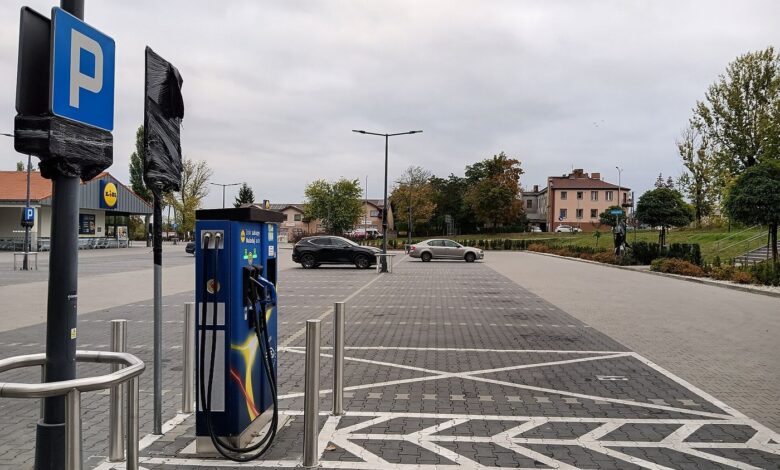
Charging, the other half of the ownership equation, is catching up unevenly. Rapid-charging networks are denser and more reliable than their early reputation suggests, and the newest cars add hundreds of kilometres of range in the time a coffee takes — when a working high-power charger is available. Reliability, queuing at holiday peaks and the experience of drivers without home charging remain the weak points, and regulators have begun imposing uptime standards on public networks as a condition of funding. Further background is available in our tech coverage for readers following this story.
Charging Catches Up
The used market may decide the transition’s speed more than any showroom. Early electric cars now reach price points where their low running costs matter most, but buyers need trustworthy information about battery health, the equivalent of mileage on a petrol car. Standardised battery-health certificates are emerging, and data so far is reassuring: modern packs degrade slowly, typically retaining the large majority of capacity well beyond the distances at which most cars are scrapped.
Headwinds remain honest ones. Insurance and repair costs run high where parts and trained technicians are scarce; resale values have swung sharply as new-car prices were cut; and the minerals question — where lithium, graphite and other inputs are mined and processed — has become a matter of industrial strategy for whole governments, with recycling positioned as the long-term answer that turns old packs into tomorrow’s mines. Additional reporting from BBC Business provides further detail on the background.
The Used Market Decides the Rest
None of these frictions reverse the direction set by the cost curve. Technologies riding a sustained learning curve tend to win eventually, and batteries are riding one of the steepest in industrial history. The question for the car market is no longer whether electric drivetrains take over, but how the messy middle of the transition — prices, chargers, grids and used values — is managed while they do. Observers say the next set of figures, due shortly, will show whether the current direction is becoming a durable trend or a brief pause.